

Nepal, nestled in the heart of the Himalayas, is a land steeped in spirituality and history. Renowned for its breathtaking landscapes, it is equally celebrated for its ancient temples and monasteries that have stood as silent witnesses to centuries of devotion, culture, and tradition. These sacred sites not only reflect Nepal’s architectural grandeur but also tell stories of its rich and diverse heritage.
Kathmandu Valley: A Treasure Trove of Temples
The Kathmandu Valley, a UNESCO World Heritage Site, is home to an incredible concentration of ancient temples and monasteries. From the towering stupas of Boudhanath and Swayambhunath to the intricately carved pagodas of Patan Durbar Square, the valley is a testament to Nepal’s rich architectural legacy.
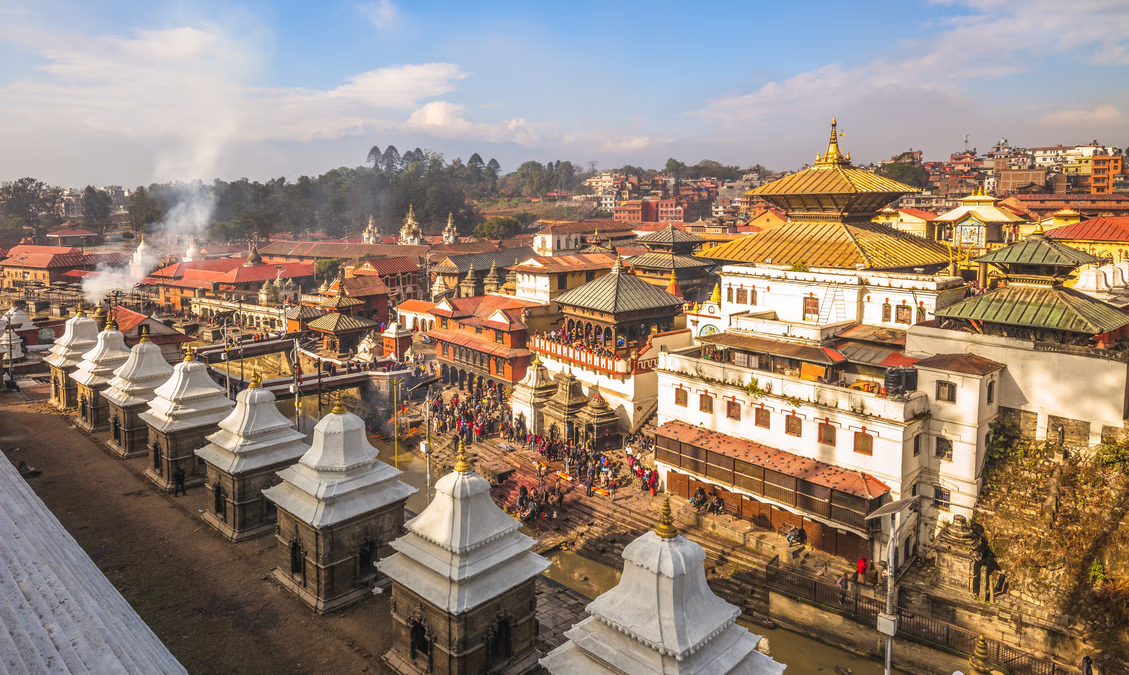
- Pashupatinath Temple: One of the holiest Hindu temples dedicated to Lord Shiva, Pashupatinath is a vibrant spiritual hub. Its origins trace back to 400 AD, making it one of the oldest temples in Nepal.
- Boudhanath Stupa: A beacon of Buddhist devotion, this massive stupa is one of the largest in the world. Its white dome and golden spire are iconic symbols of peace and enlightenment.
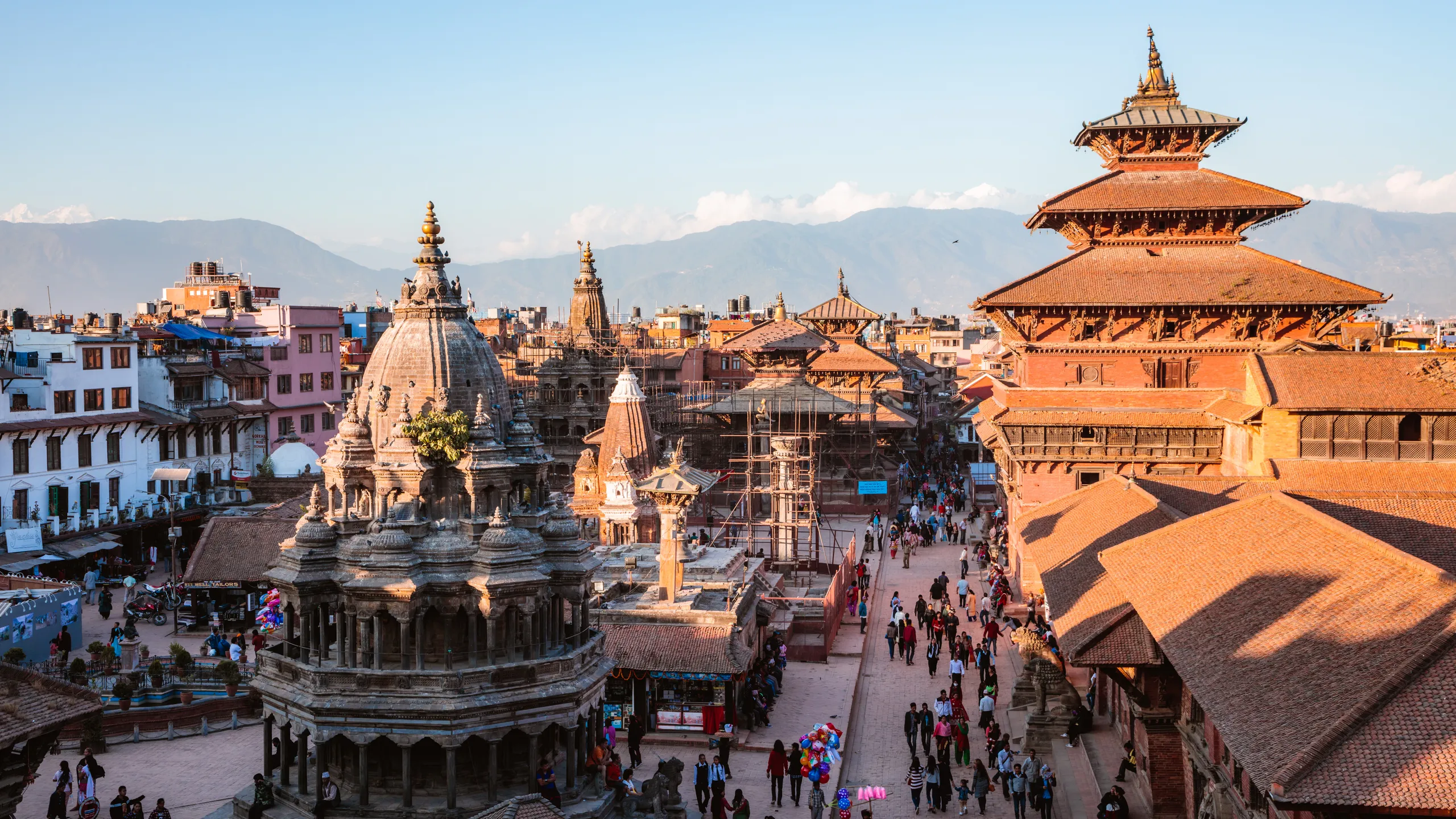
- Patan Durbar Square: Known for its exquisite Newari craftsmanship, this area boasts ancient temples such as the Krishna Mandir and the Bhimsen Temple, showcasing intricate wood and stone carvings.
The Birthplace of Lord Buddha
Lumbini, located in the southern plains of Nepal, is revered as the birthplace of Siddhartha Gautama, who became Lord Buddha. The Maya Devi Temple, dedicated to Buddha’s mother, stands at the heart of Lumbini. Surrounding it are monasteries built by Buddhist communities from around the world, creating a global spiritual melting pot.
Monasteries of the Himalayas
The highlands of Nepal are dotted with centuries-old monasteries that are not only places of worship but also centers of learning and cultural preservation.
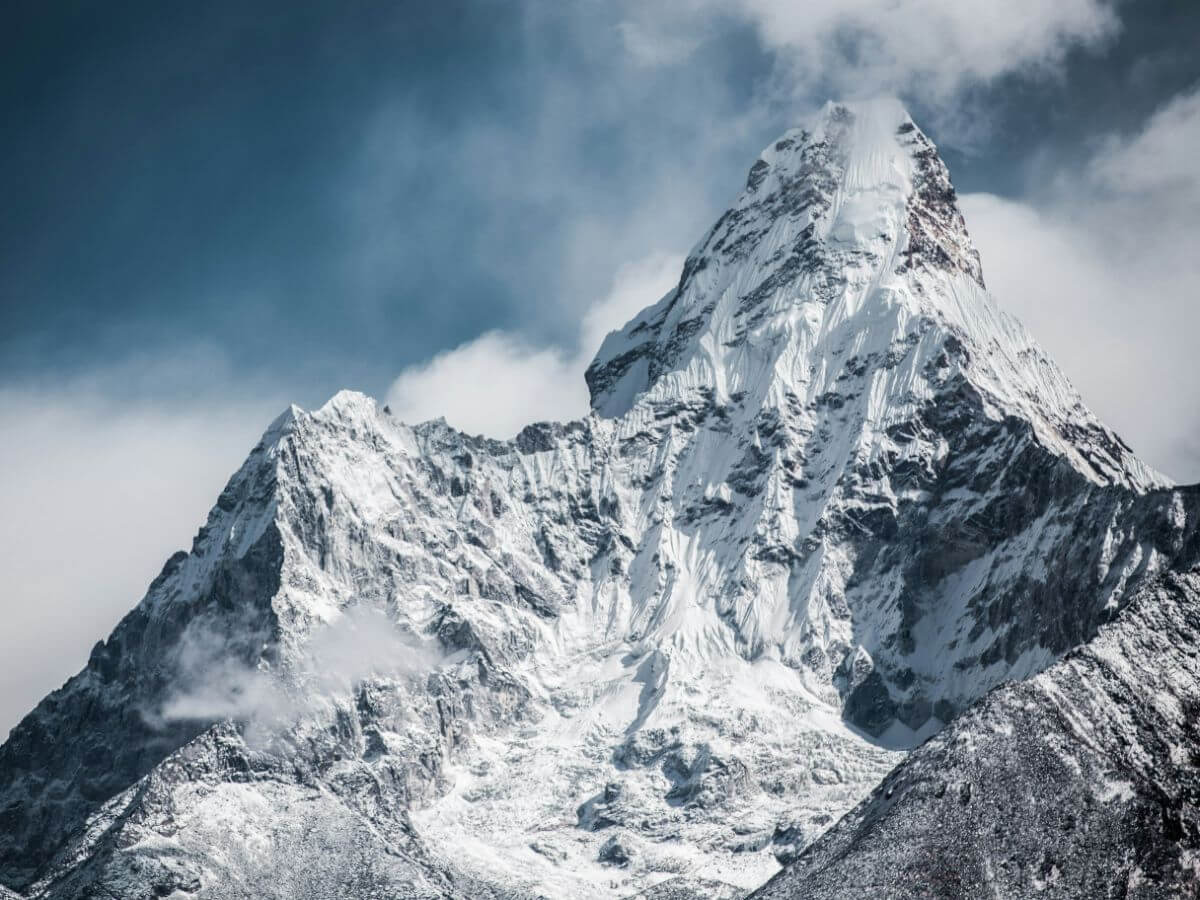
- Tengboche Monastery: Situated in the Everest region, this monastery offers breathtaking views of Mount Ama Dablam and serves as a spiritual sanctuary for trekkers and mountaineers.
- Shey Gompa: Located in the remote Dolpo region, this monastery is an epitome of serenity and ancient Tibetan Buddhist traditions.
- Kopan Monastery: Perched on a hill overlooking Kathmandu, Kopan is a popular destination for those seeking meditation and Buddhist teachings.
Architectural and Cultural Significance
Nepal’s temples and monasteries are masterpieces of architecture, blending intricate carvings, detailed paintings, and unique structural designs. The pagoda style, originating in Nepal, influenced temple architecture across Asia, from Tibet to Japan. The vivid murals and mandalas found in monasteries depict sacred Buddhist stories and teachings, preserving Nepal’s spiritual heritage.
These sites are not just places of worship but also hubs of festivals and cultural activities. Events like Indra Jatra, Buddha Jayanti, and Maha Shivaratri bring these temples and monasteries to life, offering visitors a glimpse into Nepal’s vibrant traditions.
Preservation and Challenges
While Nepal’s temples and monasteries are treasures of humanity, they face challenges from natural disasters, urbanization, and environmental degradation. The 2015 earthquake caused significant damage to many historical structures, sparking global efforts for restoration and preservation.
Organizations like UNESCO and local communities are working tirelessly to restore these monuments to their former glory. Sustainable tourism also plays a vital role in ensuring that these sacred sites continue to inspire generations to come.
Conclusion
The ancient temples and monasteries of Nepal are more than just architectural wonders; they are the soul of a nation deeply rooted in spirituality and tradition. Visiting these sacred sites offers a profound journey into Nepal’s past and a chance to connect with its timeless essence. Whether you’re seeking enlightenment, history, or cultural immersion, Nepal’s temples and monasteries promise an unforgettable experience.

Leave a Reply